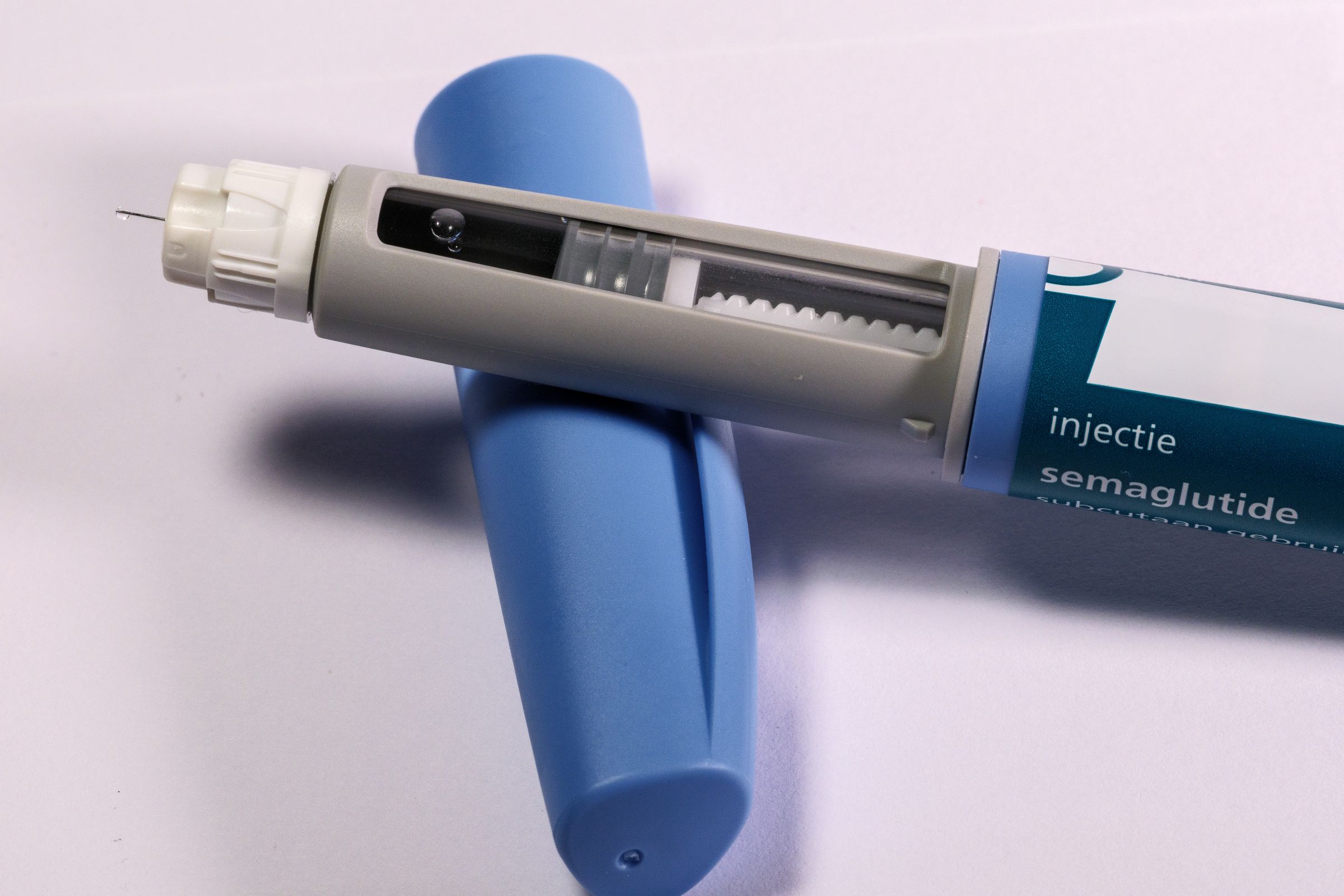
Losing weight can be challenging, especially when lifestyle changes alone don’t deliver the results you want. Medical weight management offers additional options for people who need support with appetite control, calorie intake, and long-term weight reduction. Two medications frequently discussed for this purpose are Zepbound and semaglutide.
When comparing Zepbound vs. semaglutide, it is important to understand how each medication works, its potential benefits, possible side effects, and overall cost. Although both medications help support weight management, they contain different active ingredients and work through different mechanisms in the body.
In this guide, we compare Zepbound and semaglutide, examine their effectiveness, discuss costs and safety considerations, and explain how patients explore online weight management consultations.
What is Zepbound?
Zepbound is a prescription medication containing tirzepatide. It is FDA-approved for chronic weight management in adults with obesity or adults who are overweight and have at least one weight-related medical condition, when used alongside a reduced-calorie diet and increased physical activity.
It is also approved to treat moderate-to-severe obstructive sleep apnea in adults with obesity.
Zepbound works by activating two hormone receptors: glucose-dependent insulinotropic polypeptide (GIP) and glucagon-like peptide-1 (GLP-1). These hormones help regulate appetite, manage blood sugar, and support digestion.
By targeting both receptors, Zepbound can help reduce appetite, increase feelings of fullness, and support lower calorie consumption.
How Does Zepbound Support Weight Loss?
Zepbound supports weight management through several mechanisms:
- Appetite regulation: Helps reduce hunger and food cravings, making it easier to manage daily calorie intake.
- Increased fullness: Influences digestive processes that help people feel satisfied after eating.
- Blood sugar regulation: Supports glucose-dependent insulin release and other metabolic processes.
- Reduced calorie consumption: Helps patients manage portion sizes and eating habits.
- Long-term weight management: Supports sustained weight reduction when combined with healthy lifestyle habits.
Zepbound is generally administered as a once-weekly injection, starting at a lower dose that may be gradually increased by a healthcare professional. Patients searching for Zepbound weight loss medication online in Frisco can explore virtual consultations to understand their treatment options. Comparing Zepbound vs. semaglutide can help patients make informed weight management decisions.
What is Semaglutide?
Semaglutide is a medication that belongs to the GLP-1 receptor agonist class. It works by mimicking the action of the naturally occurring GLP-1 hormone, which helps regulate appetite, digestion, and blood glucose levels.
For weight management, semaglutide is available under the brand name Wegovy. Ozempic also contains semaglutide but is primarily approved for managing type 2 diabetes and has different approved indications and dosing.
Semaglutide helps reduce appetite, increase feelings of fullness, and slow stomach emptying. These effects can support reduced food intake and gradual weight reduction.
How Does Semaglutide Help With Weight Loss?
Semaglutide supports weight management through several actions:
- Appetite control: Helps regulate hunger signals and reduce the desire to eat.
- Improved fullness: Helps patients feel satisfied with smaller meals.
- Slower gastric emptying: Delays the movement of food from the stomach into the small intestine.
- Blood glucose management: Supports glucose-dependent insulin secretion and reduces glucagon secretion.
- Calorie management: Helps reduce overall food consumption as part of a comprehensive weight management plan.
Wegovy is available in different formulations, including injectable and oral options. The appropriate formulation and dosage depend on the treatment indication and a healthcare professional’s assessment.
Zepbound vs. Semaglutide: What Are the Key Differences?
Understanding the differences between these medications is important when evaluating prescription weight loss options. Although both support appetite regulation and weight reduction, their active ingredients and mechanisms of action are different.
Zepbound contains tirzepatide and activates both GIP and GLP-1 receptors. Semaglutide activates GLP-1 receptors.
Here is a comparison of their major features:
| Comparison Factor | Zepbound | Semaglutide (Wegovy) |
| Active Ingredient | Tirzepatide | Semaglutide |
| Medication Class | GIP and GLP-1 receptor agonist | GLP-1 receptor agonist |
| Main Mechanism | Activates GIP and GLP-1 receptors | Activates GLP-1 receptors |
| Weight Management Approval | Yes | Yes |
| Administration | Once-weekly injection | Once-weekly injection or daily oral tablet, depending on formulation |
| Appetite Regulation | Helps reduce appetite | Helps reduce appetite |
| Digestive Effects | Slows gastric emptying | Slows gastric emptying |
| Common Side Effects | Nausea, diarrhea, vomiting, constipation | Nausea, diarrhea, vomiting, constipation |
| Weight Loss Results | Greater average reduction in a direct comparative trial | Significant average weight reduction |
Both medications are intended to complement reduced-calorie eating and increased physical activity. Neither should be considered a replacement for healthy lifestyle habits or professional medical guidance.
Zepbound vs. Semaglutide for Weight Loss: Which Is More Effective?
Effectiveness is one of the most important factors people consider when comparing weight loss medications. Both Zepbound and semaglutide have demonstrated meaningful weight reduction in clinical trials.
However, research suggests that tirzepatide may produce greater average weight loss than semaglutide in certain populations.
What Does Clinical Research Say?
The SURMOUNT-5 clinical trial, published in the New England Journal of Medicine, directly compared tirzepatide with semaglutide in adults with obesity or overweight with at least one weight-related health condition who did not have diabetes.
Over 72 weeks, participants experienced the following average weight reductions:
| Medication | Average Weight Reduction |
| Tirzepatide (Zepbound) | 20.2% |
| Semaglutide (Wegovy) | 13.7% |
The study found that tirzepatide produced a greater average reduction in body weight and waist circumference than semaglutide.
These findings provide useful information when evaluating Zepbound vs. semaglutide effectiveness. However, the results represent clinical trial averages, not guaranteed outcomes for every patient.
Individual results can vary depending on several factors, including:
- Starting body weight and overall health.
- Prescribed dosage and treatment duration.
- Medication tolerance and consistency.
- Dietary habits and physical activity.
- Existing medical conditions.
- Individual response to treatment.
Therefore, the medication that produces the greatest average weight reduction in a clinical trial may not automatically be the best choice for every individual.
Also Compare: Ozempic vs Wegovy vs Zepbound: Which Weight Loss Medication is Right for You?
Zepbound vs. Semaglutide: Side Effects and Safety Considerations
Both medications affect digestive processes and appetite regulation. As a result, they share several common side effects, particularly when patients begin treatment or increase their dosage.
Understanding potential side effects is an important part of choosing a prescription weight management option.
Common Side Effects of Zepbound
Patients taking Zepbound may experience:
- Nausea
- Diarrhea
- Vomiting
- Constipation
- Abdominal discomfort
- Indigestion
- Reduced appetite
- Injection-site reactions
Common Side Effects of Semaglutide
Common side effects associated with semaglutide include:
- Nausea
- Vomiting
- Diarrhea
- Constipation
- Abdominal pain
- Bloating
- Indigestion
- Headache
- Fatigue
Most gastrointestinal reactions are mild to moderate, although some patients may experience more significant symptoms.
Important Safety Considerations
Both medications carry important warnings and precautions. These include:
Thyroid C-Cell Tumor Warning: Both medications carry a boxed warning based on thyroid C-cell tumors observed in rodents. They are contraindicated in people with a personal or family history of medullary thyroid carcinoma (MTC) or Multiple Endocrine Neoplasia syndrome type 2 (MEN 2).
Pancreatitis: Inflammation of the pancreas has been reported with these medications. Severe or persistent abdominal pain requires prompt medical evaluation.
Gallbladder Problems: Gallstones and gallbladder inflammation are potential complications associated with treatment.
Kidney Complications: Severe vomiting or diarrhea can cause dehydration, potentially affecting kidney function.
Pregnancy: Weight loss treatment with these medications is not appropriate during pregnancy. Semaglutide should be discontinued at least two months before a planned pregnancy for weight reduction indications. Patients should discuss pregnancy plans and medication safety with their healthcare provider.
A healthcare professional should review your medical history, current medications, and potential risk factors before recommending either treatment. Patients should not combine Zepbound with semaglutide or other GLP-1 medications unless specifically directed under appropriate medical care.
Zepbound vs. Semaglutide Cost: What Should You Expect?
Medication cost is another important consideration when comparing weight management treatments. The total expense can vary depending on the prescribed dosage, pharmacy, insurance coverage, savings programs, and treatment duration.
When evaluating Zepbound vs. semaglutide cost, it is important to compare more than the advertised monthly price.
How Much Does Zepbound Cost?
Zepbound pricing depends on the prescribed strength, delivery method, pharmacy, and insurance benefits.
Eligible patients may qualify for manufacturer savings offers or self-pay options. For example, Lilly’s published 2026 KwikPen offers list certain self-pay prices starting at $299 for a one-month supply of the 2.5 mg dose, with different prices for higher strengths.
Patients should check current eligibility requirements, offer terms, and pharmacy availability before estimating their total treatment expenses.
How Much Does Semaglutide Cost?
Semaglutide pricing varies depending on the product and formulation. Wegovy is approved for chronic weight management, while Ozempic has different approved indications.
The final cost may depend on:
- Prescribed dosage and formulation.
- Insurance coverage and eligibility.
- Pharmacy pricing.
- Manufacturer savings programs.
- Whether the patient pays out of pocket.
Eligible patients may qualify for manufacturer savings offers. However, these programs have specific eligibility requirements and may change over time.
Zepbound vs. Semaglutide: Cost Comparison
| Cost Factor | Zepbound | Semaglutide (Wegovy) |
| Monthly Cost | Depends on dosage and pharmacy | Depends on formulation and pharmacy |
| Insurance Coverage | Plan-dependent | Plan-dependent |
| Manufacturer Savings | Available for eligible patients | Available for eligible patients |
| Out-of-Pocket Expenses | Vary by treatment option | Vary by treatment option |
| Long-Term Expenses | Depend on treatment duration | Depend on treatment duration |
The lowest advertised price does not necessarily represent the lowest total treatment cost. Patients should confirm their coverage and discuss available options with their healthcare provider and pharmacy.
Who is a Good Candidate for Zepbound or Semaglutide?
Not everyone is a suitable candidate for prescription weight loss medication. A healthcare professional must evaluate each person’s health, weight management goals, medical history, and potential treatment risks.
Generally, adults may qualify for chronic weight management medication if they meet the applicable BMI and health criteria.
Common eligibility considerations include:
- A BMI of 30 or higher, indicating obesity.
- A BMI of 27 or higher with at least one weight-related medical condition, such as high blood pressure, type 2 diabetes, or high cholesterol.
- A history of difficulty achieving sustainable weight reduction through lifestyle changes alone.
- No relevant contraindications or unacceptable medication risks.
These are general eligibility guidelines, not a guarantee of prescription approval. Individual product indications and clinical requirements should be reviewed by a qualified healthcare professional.
When Might Zepbound Be Considered?
Zepbound may be considered for adults who meet the approved weight management criteria and may benefit from a medication that activates both GIP and GLP-1 receptors.
Its suitability depends on medical history, treatment goals, medication tolerance, and other health considerations.
When Might Semaglutide Be Considered?
Wegovy may be an option for adults who meet its approved weight management criteria and are appropriate candidates for GLP-1 receptor agonist treatment.
A healthcare professional can evaluate whether semaglutide is suitable based on the patient’s health profile and treatment needs.
How to Get Zepbound for Weight Loss Online in Frisco
Accessing prescription weight management care online can make it easier for patients to discuss their health goals and explore available treatment options.
People searching for Zepbound for weight loss online in Frisco can consider a virtual consultation with a qualified healthcare professional. However, receiving a prescription requires an appropriate medical evaluation and confirmation that the medication is suitable.
A typical online consultation process may include the following steps.
1. Schedule a Virtual Zepbound Consultation
Start by arranging an online appointment with a healthcare provider who offers medical weight management services.
A virtual Zepbound consultation allows patients to discuss their weight management concerns, treatment expectations, and medical background without initially visiting a physical office.
2. Discuss Your Health History and Weight Loss Goals
During the consultation, the provider may ask about:
- Current weight and height.
- Previous weight management efforts.
- Existing medical conditions.
- Current medications and supplements.
- Allergies and previous medication reactions.
- Personal treatment goals.
This information helps determine which treatment options may be appropriate.
3. Receive a Personalized Treatment Evaluation
The healthcare professional reviews the patient’s information and evaluates whether prescription medication may be suitable.
If the patient meets the clinical requirements, the provider may discuss Zepbound, semaglutide, or other appropriate weight management options.
4. Discuss Prescription and Treatment Requirements
If Zepbound is considered appropriate, the provider can explain the prescribed dosage, administration instructions, potential side effects, and follow-up requirements.
Patients should only obtain medication through legitimate, licensed pharmacy channels with a valid prescription.
5. Continue With Medical Follow-Up
Ongoing follow-up appointments help healthcare professionals evaluate treatment response, monitor potential side effects, and make adjustments when medically appropriate.
For individuals seeking an online doctor for prescription weight loss in Frisco, virtual care offers a convenient way to discuss treatment options and receive professional medical guidance.
How Fitfocus MD Supports Your Virtual Weight Loss Treatment
Choosing a weight management approach involves more than selecting a medication. Patients also need appropriate medical guidance, treatment evaluation, and ongoing support.
Fitfocus MD can be introduced as a resource for individuals exploring virtual weight management and prescription treatment options.
Through a virtual weight loss clinic approach, patients can discuss their concerns, learn about available medications, and understand the steps involved in medically supervised weight management.
1. Personalized Weight Management Guidance
Weight management needs differ from one person to another. Factors such as medical history, lifestyle, current health conditions, and treatment goals can influence medication selection.
A personalized evaluation helps determine which options may be suitable.
2. Convenient Virtual Consultations
Virtual appointments provide an accessible way to discuss weight management concerns and treatment options.
Patients in Frisco can explore whether online medical consultations are appropriate for their needs and whether they qualify for prescription treatment.
3. Understanding Prescription Weight Loss Options
Patients may have questions about Zepbound, semaglutide, medication costs, dosage, and possible side effects.
Professional guidance can help explain the differences between available treatments and support informed healthcare decisions.
4. Ongoing Treatment Monitoring
Weight management is an ongoing process. Follow-up care allows healthcare professionals to review progress, assess medication tolerance, and address concerns throughout treatment.
To learn more about available services, visit Fitfocus MD and explore its virtual weight management consultation options.
Conclusion: Choosing Between Zepbound and Semaglutide
When comparing Zepbound vs. semaglutide, both medications offer effective options for medically supervised weight management. However, they work through different mechanisms and may produce different results depending on individual health factors.
Zepbound activates both GIP and GLP-1 receptors and demonstrated greater average weight reduction than semaglutide in the SURMOUNT-5 clinical trial. Semaglutide remains an established weight management option with its own clinical benefits and approved uses.
The right medication depends on your medical history, weight management goals, treatment preferences, potential side effects, and overall health. A qualified healthcare professional can help evaluate these factors and recommend an appropriate approach.
If you are considering prescription weight management, Fitfocus MD can be a starting point for learning about virtual weight loss consultations and available treatment options. Explore your options and discuss your goals with a healthcare professional before beginning medication.
Frequently Asked Questions About Zepbound vs. Semaglutide
1. Is Zepbound More Effective Than Semaglutide for Weight Loss?
Clinical research suggests that Zepbound (tirzepatide) can produce greater average weight reduction than semaglutide. In the 72-week SURMOUNT-5 trial, participants experienced average weight reductions of 20.2% with tirzepatide and 13.7% with semaglutide. Individual results may vary.
2. What Is the Main Difference Between Zepbound and Semaglutide?
The main difference is how the medications work. Zepbound activates both GIP and GLP-1 receptors, while semaglutide activates GLP-1 receptors. Both help regulate appetite and support weight management.
3. How Much Weight Can You Lose With Zepbound Compared to Semaglutide?
In the SURMOUNT-5 clinical trial, average weight reduction over 72 weeks was 20.2% with tirzepatide and 13.7% with semaglutide. Actual results depend on individual health factors, dosage, treatment duration, and lifestyle habits.
4. Which Has Fewer Side Effects, Zepbound or Semaglutide?
Both medications can cause gastrointestinal side effects, including nausea, diarrhea, vomiting, and constipation. Side effects vary between individuals, and neither medication is universally better tolerated.
5. Is Zepbound More Expensive Than Semaglutide?
The cost depends on dosage, formulation, insurance coverage, pharmacy pricing, and manufacturer savings programs. Patients should compare their actual out-of-pocket costs rather than relying only on advertised prices.
6. Can a Doctor Prescribe Zepbound Online?
Yes. A qualified healthcare professional may prescribe Zepbound following an appropriate telehealth evaluation if the patient meets the medical requirements. Prescription approval is not guaranteed.
7. How Can I Get Zepbound for Weight Loss Online in Frisco?
You can begin by scheduling a virtual consultation with a qualified healthcare provider who offers weight management services. The provider can review your medical history, evaluate eligibility, and discuss appropriate treatment options.
8. Do I Need Consultation Before Starting Zepbound?
Yes. Zepbound is a prescription medication that requires medical evaluation. A healthcare professional should review your medical history, current medications, potential risks, and treatment goals before prescribing it.
9. How Long Can You Take Zepbound or Semaglutide?
Both medications are intended for long-term weight management when prescribed appropriately. Treatment duration depends on individual needs, response, tolerability, and ongoing medical evaluation. Patients should not stop or change their medication without consulting their healthcare provider.
10. Can I Switch From Semaglutide to Zepbound?
Switching may be appropriate for some patients, but it requires medical guidance. A healthcare professional should review the current medication, dosage, treatment response, and potential risks before recommending a transition.