Hair thinning and hair loss can feel frustrating, especially when you’re not sure which treatments actually work and which are just hype. Many people start searching for natural, non-surgical options before considering more invasive procedures. That’s where PRP hair treatment in Frisco often comes into the conversation.
This guide is designed for beginners who want clear, honest information without medical jargon. We’ll explain what PRP hair restoration is, how it works, who it helps most, and what results you can realistically expect. We’ll also address common myths, share practical tips, and answer frequently asked questions, so you can make an informed decision with confidence.
What Is PRP Hair Treatment?
PRP Hair Restoration, also known as Platelet-Rich Plasma therapy, is a non-surgical treatment that uses your own blood to stimulate natural hair growth.
Here’s the simple version of how it works:
- A small amount of blood is drawn from your arm
- The blood is processed to concentrate platelets (rich in growth factors)
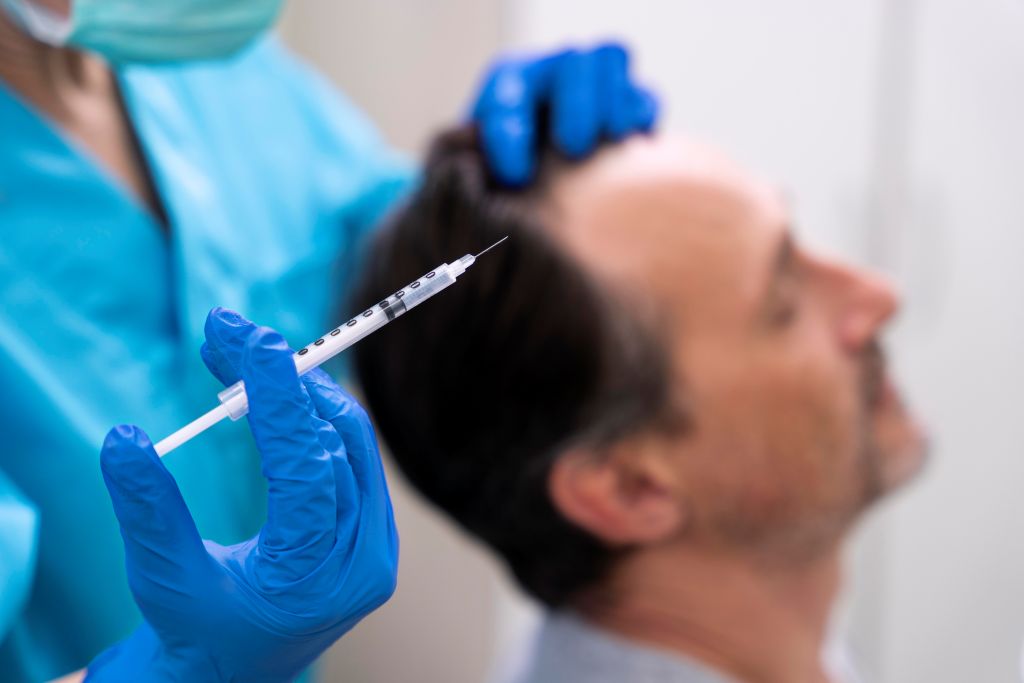
- This platelet-rich plasma is injected into areas of the scalp with thinning hair
Platelets play a key role in healing and tissue regeneration. When injected into the scalp, they help “wake up” weak hair follicles, improve blood supply, and support healthier hair growth over time.
Because it uses your own blood, PRP hair treatment in Frisco is considered a natural and low-risk option when performed by trained medical professionals.
Why PRP Hair Restoration Matters and Who It Helps
Hair loss doesn’t affect everyone the same way. PRP hair restoration matters because it offers a middle ground, more effective than topical products but far less invasive than surgery.
PRP Hair Restoration may help people who:
- Are experiencing early to moderate hair thinning
- Have androgenetic alopecia (male or female pattern hair loss)
- Notice increased hair shedding due to stress or hormonal changes
- Want to slow hair loss and improve hair density naturally
It’s commonly chosen by both men and women who want subtle, progressive improvement rather than dramatic overnight changes.
Key Things to Know About PRP Hair Restoration
1. How does PRP hair restoration work?
PRP delivers concentrated growth factors directly to hair follicles. These growth factors:
- Improve blood flow to follicles
- Extend the hair growth phase
- Strengthen existing hair strands
Think of it as improving the “soil” so hair can grow healthier and thicker.
2. What happens during a PRP session?
A typical session includes:
- Blood draw (similar to a routine lab test)
- Processing blood in a centrifuge
- Scalp injections in targeted areas
The procedure usually takes 45–60 minutes.
3. When will results appear?
PRP is not instant. Most people notice:
- Reduced hair shedding in 2–3 months
- Visible thickness and regrowth in 4–6 months
- Best results after a series of treatments
- Consistency is key.
4. Can PRP be combined with other treatments?
Yes. PRP hair restoration is often combined with:
- Microneedling
- Topical treatments
- Lifestyle and nutritional improvements
Your provider may also discuss overall wellness factors, such as weight management or metabolic health, similar to services offered at a weight loss clinic in Frisco.
Common Misconceptions About PRP Hair Restoration
Myth 1: PRP works overnight
Truth: PRP supports gradual, natural hair growth. Results take months, not days.
Myth 2: PRP regrows hair in completely bald areas
Truth: PRP works best where follicles still exist. It cannot revive follicles that are completely inactive.
Myth 3: One session is enough
Truth: Most people need a series of sessions for optimal results.
Myth 4: PRP is unsafe
Truth: When performed correctly, PRP is considered safe because it uses your own blood.
Tips and Best Practices for Better PRP Results
To maximize your PRP hair restoration results:
- Follow the recommended treatment schedule
- Avoid smoking, which reduces blood flow to follicles
- Eat a nutrient-rich diet to support hair growth
- Manage stress, which plays a major role in hair loss
- Discuss scalp care and microneedling options with your provider
Small lifestyle improvements can significantly enhance treatment outcomes.
Frequently Asked Questions About PRP Hair Treatment
Is PRP hair treatment painful?
Most people describe mild discomfort. A numbing agent is often used to improve comfort.
How many sessions are needed?
Typically, 3–4 sessions spaced a month apart, followed by maintenance treatments.
Is PRP suitable for women?
Yes. PRP Hair Restoration is commonly used for female pattern hair thinning.
Are there side effects?
Temporary redness, swelling, or tenderness at injection sites is common but usually resolves quickly.
How long do PRP results last?
Results can last 12–18 months with proper maintenance and follow-up treatments.
Is PRP better than microneedling alone?
PRP combined with microneedling often delivers better stimulation than either treatment alone, similar to techniques used in What Is Platelet-Rich Plasma Microneedling protocols.
Conclusion: Is PRP Hair Treatment in Frisco Right for You?
PRP hair restoration is a science-backed, non-surgical option for people who want to address hair thinning naturally and safely. While it’s not a miracle cure, it can significantly improve hair quality, thickness, and shedding when used correctly.
If you’re noticing early hair loss or thinning, PRP hair treatment in Frisco may be worth exploring as part of a personalized care plan. The best next step is consulting a qualified provider who can assess your scalp health, goals, and expectations.
Want to learn more? Consider scheduling a consultation or reading our related guides on hair restoration and overall wellness to see if PRP fits your long-term goals.