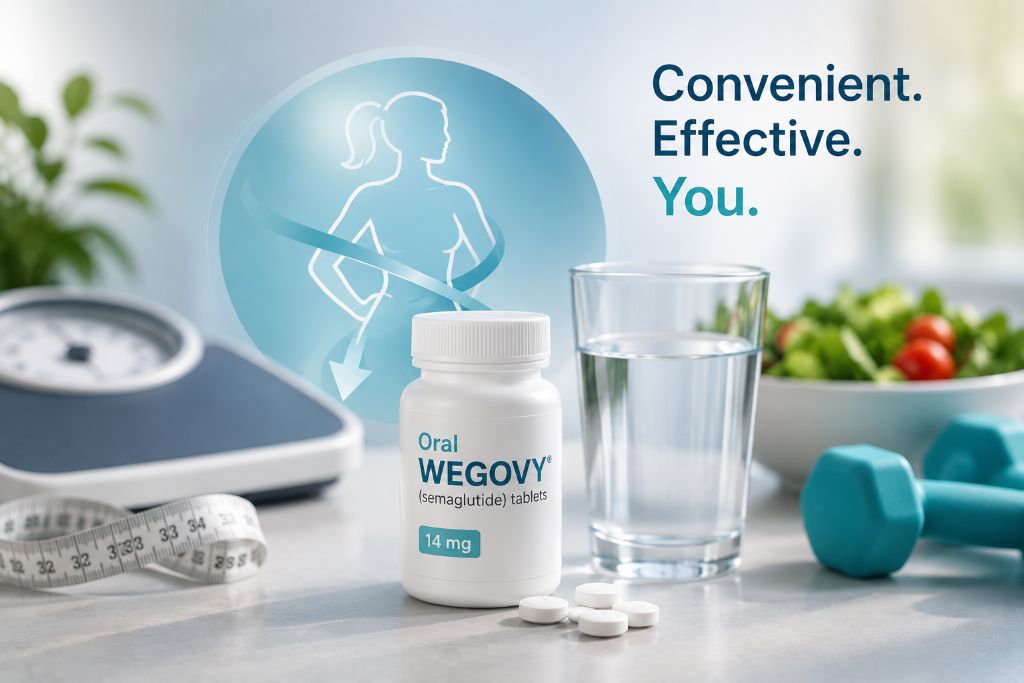
Alcohol is not automatically prohibited for everyone taking a GLP-1 weight loss medication, but drinking may worsen certain side effects and make weight-management goals harder to maintain. Because individual responses vary, we recommend discussing alcohol use with a qualified healthcare provider who understands your medication, medical history, and treatment goals.
How Do GLP-1 Medications Work for Weight Loss?
GLP-1 medications are prescription treatments that can support weight management by influencing appetite, digestion, and blood sugar regulation. These medications mimic or act on pathways involving glucagon-like peptide-1, a hormone involved in appetite control and metabolic regulation.
As treatment begins, many patients experience reduced hunger and increased feelings of fullness after eating. This can make it easier to reduce overall food intake and maintain a structured nutrition plan. Some GLP-1 medications may also slow gastric emptying, which can contribute to prolonged fullness.
However, medication is only one component of a successful weight-management strategy. We also consider nutrition, physical activity, sleep, hydration, stress management, and other lifestyle factors when developing a comprehensive plan.
Because alcohol can influence appetite, food choices, hydration, sleep, and calorie intake, it deserves consideration during GLP-1 weight loss medication treatment.
What Happens When You Combine Alcohol and GLP-1 Medications?
There is no single response that applies to every person who combines alcohol with a GLP-1 medication. Some people may tolerate an occasional drink without noticeable problems, while others may experience increased nausea, stomach discomfort, dizziness, or other symptoms.
Alcohol may become particularly uncomfortable when a person is already experiencing medication-related gastrointestinal effects. Nausea, vomiting, bloating, reflux, constipation, or diarrhea can occur with some GLP-1 treatments, particularly during dose increases or early treatment.
We also consider the broader effects of alcohol. Alcoholic beverages can contribute calories, affect appetite and food choices, interfere with sleep, and make it more difficult to maintain consistent lifestyle habits.
For people with diabetes or those using other medications that affect blood glucose, alcohol can introduce additional considerations. Individual medical advice is therefore important rather than relying on a universal rule about how much alcohol is appropriate.
7 Things to Know About Alcohol While Taking GLP-1 Medication
Alcohol can affect how you feel on GLP-1 medication, from digestive symptoms to hydration and appetite. Understanding these seven considerations can help support safer, informed choices.
1. Alcohol May Make Nausea and Digestive Side Effects Worse
Nausea is one of the more common gastrointestinal complaints associated with several GLP-1 medications. Some people may also experience vomiting, bloating, abdominal discomfort, reflux, constipation, or diarrhea.
Alcohol can irritate the digestive system and may make existing stomach symptoms feel worse. If we are already struggling with medication-related nausea or digestive discomfort, drinking alcohol may make those symptoms more difficult to manage.
This is particularly relevant after starting treatment or increasing the medication dose. During these periods, we generally recommend paying close attention to how the body responds and following the prescribing provider’s instructions.
If alcohol repeatedly causes nausea, vomiting, abdominal discomfort, or other concerning symptoms, avoiding it and discussing the reaction with a healthcare professional is a sensible approach.
2. Alcohol Can Affect Your Appetite and Eating Habits
One of the goals of GLP-1 treatment is to help patients manage hunger and make sustainable dietary choices. Alcohol can sometimes make that process more difficult.
Drinking may reduce inhibitions around food and increase the likelihood of choosing highly processed, salty, sugary, or high-calorie foods. A person who normally follows a structured meal plan may find it harder to maintain those choices while drinking.
Alcohol may also affect how we recognize hunger and fullness. When combined with reduced appetite from a GLP-1 medication, this can sometimes result in inadequate food intake or an unbalanced diet.
We therefore encourage patients to remain mindful of their nutritional needs rather than focusing solely on calorie restriction.
3. Alcohol Can Add Extra Calories
Alcohol contains calories, and many alcoholic beverages contain additional calories from sugar, mixers, syrups, or other ingredients.
For someone using GLP-1 medication to support weight loss, frequent alcohol consumption can make maintaining an appropriate calorie balance more challenging. A drink may appear small, but several drinks during an evening can add substantially to total calorie intake.
Cocktails, sweetened wines, liqueurs, and mixed drinks can be especially calorie-dense.
This does not mean that every person needs to eliminate alcohol completely. Instead, we recommend considering alcohol as part of the overall nutrition picture and discussing individual limits with a healthcare professional.
4. Staying Hydrated is Important
Adequate hydration is an important part of weight management and general health. Alcohol can contribute to fluid loss, while vomiting or diarrhea can further increase the risk of dehydration.
This becomes particularly important for people experiencing gastrointestinal side effects from GLP-1 medication. Someone who is already struggling to keep fluids down may become dehydrated more easily if alcohol is added.
We recommend drinking adequate non-alcoholic fluids throughout the day and avoiding alcohol when experiencing significant vomiting, diarrhea, dizziness, or other symptoms that could indicate dehydration.
Severe dehydration can require medical attention, particularly when symptoms are persistent or accompanied by weakness, confusion, fainting, or an inability to keep fluids down.
5. Blood Sugar Can Be a Consideration
Alcohol can affect blood glucose levels, making it an important consideration for people with diabetes or those taking medications that influence blood sugar.
The effects can vary depending on the amount consumed, whether alcohol is consumed with food, individual metabolism, diabetes medications, and other health factors.
Because GLP-1 medications may be prescribed to people with type 2 diabetes as well as for weight management, we should not assume that alcohol carries the same considerations for everyone.
If we are taking insulin, a sulfonylurea, or another medication that can cause low blood sugar, we should obtain individualized advice before drinking alcohol. Our healthcare provider can explain how alcohol may fit into our specific treatment plan.
6. Your Response May Depend on Your GLP-1 Medication
Not every GLP-1 medication works in exactly the same way, and different treatments can have different dosing schedules, indications, and side-effect profiles.
Our response may also depend on the dose, how long we have been taking the medication, whether the dose was recently increased, other medications we use, and our overall health.
For this reason, we avoid applying a universal “safe amount” of alcohol to every GLP-1 patient.
The most appropriate recommendation depends on the individual. We should follow the instructions provided by our prescribing clinician and disclose our typical alcohol intake during medical consultations.
7. Alcohol May Affect Your Overall Weight-Loss Progress
Weight loss depends on numerous factors, and alcohol can influence several of them simultaneously.
Alcohol contributes calories while potentially affecting appetite and food choices. Drinking can also interfere with sleep quality, and poor sleep may make it more difficult to maintain healthy eating and activity habits.
Frequent drinking may therefore work against the consistency that makes a weight-management program effective.
We do not need to view weight loss as an all-or-nothing process. Instead, we can evaluate how alcohol fits into our nutrition, activity, sleep, hydration, and medication plan and make decisions based on our individual circumstances.
Can You Drink Alcohol While Taking GLP-1 Medication?
Some people may be able to consume alcohol occasionally while taking a GLP-1 medication, but it is not appropriate to assume that everyone will tolerate it the same way.
For some patients, occasional alcohol may cause no noticeable problems. For others, it can intensify nausea, stomach discomfort, vomiting, dehydration, or difficulties with appetite and food choices.
We should also consider why the medication was prescribed and whether other medical conditions or medications are involved.
Rather than relying on a universal alcohol limit, we recommend following the specific guidance provided by the prescribing healthcare professional. If we have questions about whether alcohol is appropriate during treatment, we should discuss the amount, frequency, and type of alcohol we consume during an appointment.
When Should You Avoid Alcohol While Taking GLP-1 Medication?
There are circumstances in which avoiding alcohol is especially important. We should be particularly cautious if we are experiencing:
- Significant nausea or vomiting
- Dehydration or difficulty maintaining fluid intake
- Severe or persistent gastrointestinal symptoms
- Difficulty tolerating the GLP-1 medication
- Blood sugar concerns or medications that increase the risk of hypoglycemia
- A history of pancreatitis or another condition for which alcohol avoidance has been recommended
- Heavy or frequent alcohol consumption
- Other medications or medical conditions that make alcohol unsafe
Severe or persistent abdominal pain, particularly when accompanied by vomiting, requires prompt medical evaluation. We should not assume that symptoms are simply a normal medication side effect.
People who regularly consume large amounts of alcohol should also discuss their drinking pattern with a healthcare professional rather than abruptly making medication changes independently.
Interesting Read: Why Am I Not Losing Weight on GLP-1 Medication?
Tips for Drinking Alcohol More Safely During GLP-1 Treatment
If our healthcare provider determines that occasional alcohol is appropriate, several practical steps can help reduce potential problems:
1. Follow Your Provider’s Recommendations
Our prescribing provider understands our medication, dosage, health history, and treatment objectives. Their recommendations should take priority over general online advice.
2. Avoid Alcohol When Experiencing Significant Side Effects
If we are already experiencing nausea, vomiting, severe stomach discomfort, or dehydration, adding alcohol may make the situation worse.
3. Stay Hydrated
We should maintain adequate fluid intake and pay attention to signs of dehydration. Water and other appropriate non-alcoholic fluids can be especially important when alcohol is consumed.
4. Avoid Drinking on an Empty Stomach
Consuming alcohol without adequate food may create additional concerns for some people, particularly those managing blood sugar levels or experiencing reduced appetite.
5. Be Mindful of High-Calorie Drinks
Sweet cocktails, sugary mixers, and other calorie-dense beverages can add considerable calories. Understanding what we are drinking can help us maintain better awareness of our overall nutrition.
6. Pay Attention to How Your Body Responds
We should monitor symptoms rather than assuming that a previous experience will always predict our future response. Medication doses and individual circumstances can change over time.
7. Never Change or Stop Medication Because of Alcohol Use Without Medical Advice
We should never skip, reduce, increase, or discontinue a prescribed GLP-1 medication simply because we plan to drink alcohol. Medication changes should be discussed with the prescribing provider.
How Can a GLP-1 Doctor Help With Your Weight-Loss Treatment?
Medical supervision can make GLP-1 treatment more structured and individualized. A qualified provider can evaluate whether a medication is appropriate, review medical history, monitor treatment response, and adjust therapy when clinically appropriate.
A glp-1 doctor online can also discuss lifestyle factors that may affect treatment, including nutrition, physical activity, hydration, sleep, alcohol consumption, and other medications.
During follow-up appointments, we can discuss side effects and determine whether they are expected or require additional evaluation. Providers can also help patients understand how their medication fits into a broader weight-management strategy.
This individualized approach is particularly valuable because there is no single GLP-1 treatment plan that works identically for every patient.
Get Personalized GLP-1 Guidance From a Doctor in Frisco
Virtual healthcare can make access to weight-management support more convenient for eligible patients. Through a virtual consultation, we can review health history, current medications, treatment goals, and lifestyle factors from home.
A glp-1 doctor online in Frisco can assess whether prescription weight-loss treatment may be appropriate and provide guidance based on an individual’s circumstances.
A virtual GLP-1 doctor can also provide ongoing monitoring and help address questions about side effects, medication changes, nutrition, and lifestyle habits.
For eligible patients, virtual GLP-1 treatment in Frisco may provide a convenient way to receive medical support while maintaining regular follow-up care.
Prescription treatment still requires an appropriate medical evaluation. Virtual care does not eliminate the need for responsible prescribing, monitoring, or follow-up.
Can Virtual GLP-1 Treatment Support Your Weight-Loss Goals?
Virtual treatment can make weight-management care easier to access while providing opportunities for ongoing medical supervision.
During online appointments, providers can review progress, discuss side effects, evaluate lifestyle habits, and determine whether the current treatment plan remains appropriate. Follow-up care can also help identify problems early rather than waiting until symptoms become difficult to manage.
A virtual weight management clinic in Frisco may be particularly convenient for people who have demanding schedules or prefer receiving routine consultations remotely.
However, prescription GLP-1 treatment is not appropriate for everyone. Eligibility depends on individual health factors, medical history, current medications, treatment goals, and clinical evaluation.
A qualified healthcare professional can determine whether GLP-1 treatment is appropriate and explain the potential benefits, risks, and alternatives.
Talk to Fitfocus MD About Your GLP-1 Treatment
Alcohol does not affect every GLP-1 patient in the same way. Some people may tolerate occasional alcohol, while others may experience increased gastrointestinal symptoms, dehydration, blood sugar concerns, or difficulties maintaining their weight-loss habits.
We recommend discussing alcohol use openly with a qualified healthcare provider, including how often we drink, the amount we consume, other medications we take, our medical history, and our weight-management goals.
At Fitfocus MD, we take a personalized approach to weight management and can help eligible patients understand whether GLP-1 treatment may fit their individual needs. Through convenient virtual care, we can provide medical evaluation, treatment guidance, and ongoing support.
Connect with Fitfocus MD to learn whether GLP-1 treatment is appropriate for you.
Frequently Asked Questions
Can I drink alcohol while taking GLP-1 medication?
Some people may tolerate occasional alcohol while taking GLP-1 medication, but others may experience increased nausea, stomach discomfort, dehydration, or other problems. We recommend discussing alcohol use with the prescribing provider.
Does alcohol make GLP-1 side effects worse?
Alcohol may worsen gastrointestinal discomfort for some people, particularly if they already experience nausea, vomiting, bloating, reflux, or other medication-related digestive symptoms. Individual responses can vary.
Can alcohol affect GLP-1 weight loss?
Alcohol can contribute calories and may affect appetite, food choices, sleep, and consistency with healthy habits. Frequent or high-calorie drinking may therefore make weight-management goals more difficult for some patients.
Can I drink alcohol after taking a GLP-1 injection?
The timing of alcohol consumption after an injection does not necessarily eliminate potential concerns. GLP-1 medications remain active beyond the time of administration, so individual guidance is more important than simply separating alcohol and the injection by a certain number of hours.
Should I avoid alcohol completely during GLP-1 treatment?
Not necessarily for every patient. Recommendations vary according to the medication, dose, health history, other medications, alcohol intake, and response to treatment. Some individuals may be advised to avoid alcohol completely.
Can an online doctor prescribe GLP-1 medication?
An online doctor for Prescription Weight Loss may evaluate whether a patient is eligible for GLP-1 treatment and prescribe medication when medically appropriate and permitted by applicable laws and prescribing requirements. An evaluation is necessary before treatment is recommended.
Does liraglutide interact with alcohol?
Alcohol is not listed in the FDA prescribing information as a specific direct drug interaction with liraglutide. However, alcohol can still be relevant during treatment.
Liraglutide can cause nausea, vomiting, diarrhea, and other gastrointestinal symptoms, and alcohol may make these symptoms harder for some patients to tolerate. Alcohol can also affect blood glucose, which deserves particular attention in patients with diabetes or those taking insulin or medications such as sulfonylureas. Patients with a history of pancreatitis or other conditions affected by alcohol should discuss alcohol use with their healthcare provider.