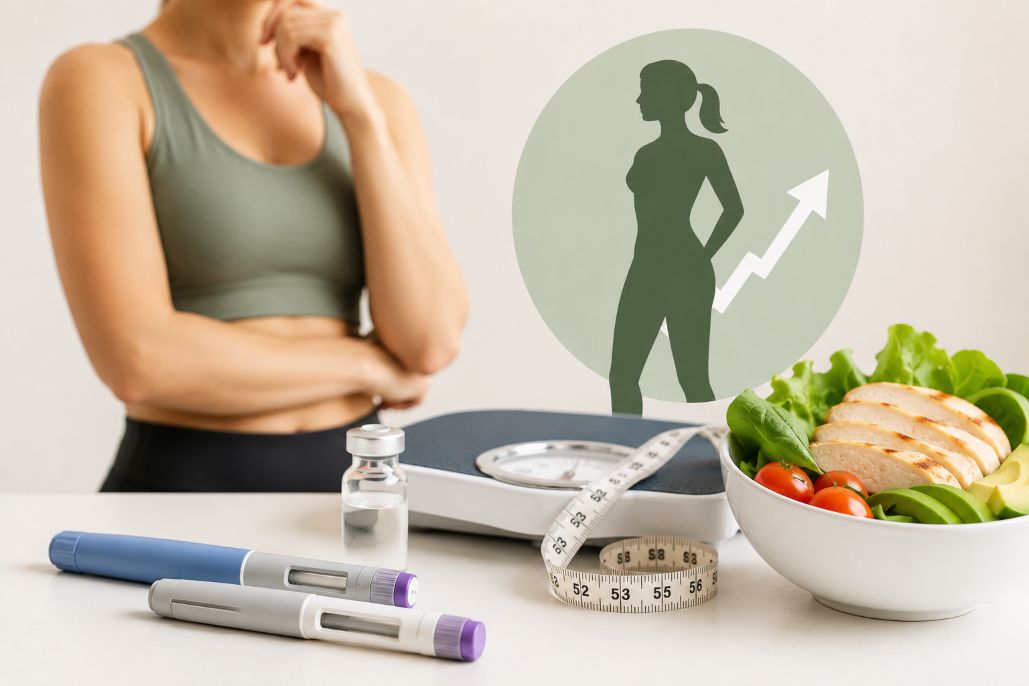
GLP-1 medications have transformed medical weight management by helping people reduce appetite, improve blood sugar control, and achieve sustainable weight loss. Millions of patients have experienced significant improvements with GLP-1 medications, making them one of the most effective prescription options available today. However, not everyone sees immediate or dramatic results. If you feel your GLP-1 medication is not working as expected, you are not alone. Weight loss is influenced by multiple factors, including medication dosage, nutrition, activity level, hormones, metabolism, and consistency.
Successful GLP-1 weight loss requires a comprehensive approach rather than relying on medication alone. Even when the medication is effective, lifestyle habits and ongoing medical supervision play an essential role in long-term success. At Fit Focus MD, we provide personalized treatment plans that combine physician-guided GLP-1 treatment, nutrition coaching, progress monitoring, and virtual follow-up visits to help patients overcome obstacles and maximize results. Understanding why progress may be slower than expected is the first step toward achieving healthier, lasting weight loss.
How Do GLP-1 Medications Help With Weight Loss?
GLP-1 stands for Glucagon-Like Peptide-1, a naturally occurring hormone released by the intestines after eating. This hormone signals the brain that you are full, slows stomach emptying, and supports healthy blood sugar regulation. These weight loss medications mimic the body’s natural GLP-1 hormone to help reduce appetite, improve portion control, and support safe, sustainable weight management under physician supervision.
Prescription GLP-1 treatment mimics these natural effects, allowing patients to consume fewer calories without constantly feeling hungry. Instead of relying solely on willpower, these medications help regulate appetite biologically.
The primary ways GLP-1 medications promote weight loss include:
- Reducing appetite by increasing feelings of fullness
- Slowing digestion, helping meals keep you satisfied longer
- Lowering food cravings, particularly for sugary foods
- Improving blood sugar regulation, reducing insulin spikes
- Supporting healthier eating habits through better appetite control
Many patients begin noticing appetite changes within the first few weeks. However, meaningful Semaglutide weight loss and Tirzepatide weight loss typically become more noticeable after dose adjustments over several months. Weight loss is gradual, which allows the body to adapt safely while improving long-term success.
Why Your GLP-1 Medication May Not Be Working
If your progress feels slower than expected, several factors may be limiting results. Identifying these obstacles allows your treatment plan to be adjusted for better success.
1. You Haven’t Been on the Medication Long Enough
One of the most common reasons patients become discouraged is expecting immediate results. Most GLP-1 medications follow a gradual dosing schedule that allows the body to adjust while minimizing side effects.
Lower starting doses are designed for adaptation rather than maximum weight loss. As your physician gradually increases the dosage, appetite suppression often becomes stronger.
Most patients experience:
- Early appetite reduction
- Gradual weight loss
- Improved eating habits
- Better blood sugar control
- Increased progress after reaching therapeutic doses
Patience and consistency remain essential during the first several months of treatment.
2. You’re Still Consuming More Calories Than You Realize
Even with reduced appetite, hidden calories can slow progress considerably.
Common sources include:
- Sugary coffee drinks
- Alcohol
- Salad dressings
- Cooking oils
- Snacks between meals
- Large restaurant portions
- High-calorie beverages
Although GLP-1 medications reduce hunger, they cannot completely overcome a calorie surplus. Tracking food intake for several weeks often reveals unexpected areas where calorie consumption remains higher than anticipated.
Focusing on lean proteins, vegetables, fiber-rich foods, and portion awareness helps maximize medication effectiveness.
3. Lack of Physical Activity
Medication works best when combined with regular movement.
Exercise helps preserve lean muscle during weight loss while supporting metabolism. Without adequate activity, weight loss may slow despite appetite reduction.
Recommended activities include:
- Resistance training 2 to 4 times weekly
- Daily walking
- Moderate cardio
- Flexibility exercises
- Strength-building workouts
Building muscle also helps increase resting metabolic rate, supporting long-term weight management.
4. You’re Experiencing a GLP-1 Weight Loss Plateau
A GLP-1 weight loss plateau is a normal part of the weight loss journey.
As body weight decreases, calorie requirements naturally decline. The body also adapts metabolically, making continued weight loss slower over time.
Plateaus may occur because of:
- Reduced calorie needs
- Metabolic adaptation
- Muscle loss
- Reduced activity
- Inconsistent nutrition
If your weight remains unchanged for several weeks despite following your treatment plan, consult your physician before making changes. Medical guidance helps identify whether medication adjustments or lifestyle modifications are appropriate.
5. Your Medication Dose May Need Adjustment
Not every patient responds to the same dosage.
Your physician may recommend gradual dose increases based on:
- Weight loss progress
- Side effects
- Appetite suppression
- Blood sugar control
- Overall health
Never increase or decrease your medication without medical supervision. Safe dose escalation minimizes side effects while maximizing long-term results.
Regular follow-up appointments allow treatment plans to evolve as your body changes.
6. Hormonal or Medical Conditions Are Slowing Progress
Certain medical conditions can interfere with weight loss despite appropriate medication use.
These include:
- Insulin resistance
- PCOS
- Hypothyroidism
- Sleep apnea
- Chronic stress
- Elevated cortisol levels
When underlying conditions remain untreated, they may limit progress. Comprehensive physician evaluation ensures these issues are addressed alongside your weight loss program.
7. Lifestyle Habits Need Improvement
Medication cannot replace healthy daily habits.
Successful patients typically prioritize:
- High protein intake
- Adequate hydration
- Quality sleep
- Stress reduction
- Consistent meal timing
- Balanced nutrition
Protein helps preserve muscle while increasing fullness. Hydration supports metabolism, while quality sleep helps regulate appetite hormones that influence hunger and cravings.
Small lifestyle improvements often lead to significant long-term results.
Semaglutide vs Tirzepatide Weight Loss: Does It Matter?
Both medications are effective for medical weight loss, but they work differently. Comparing their benefits helps determine which option may better support your health goals.
| Feature | Semaglutide Weight Loss | Tirzepatide Weight Loss |
| Hormone Action | GLP-1 receptor | GLP-1 + GIP receptors |
| Appetite Control | Excellent | Excellent |
| Blood Sugar Support | Strong | Very Strong |
| Average Weight Loss | Significant | Often Greater |
| Physician Monitoring | Required | Required |
Some patients achieve excellent Semaglutide weight loss, while others may respond better to Tirzepatide weight loss. Individual health history, medical conditions, weight loss goals, and treatment response determine which medication may be most appropriate.
Physician evaluation remains the best way to identify the ideal treatment plan.
Interesting Read: Semaglutide vs. Tirzepatide: Which Medically Supervised Weight Loss Option Is Right for You?
Signs Your GLP-1 Treatment Is Actually Working
Weight loss is only one measure of progress. Many patients experience positive health changes before significant scale movement, showing that treatment is delivering meaningful benefits.
Many patients notice positive changes before seeing dramatic movement on the scale.
Common signs include:
- Reduced appetite
- Feeling full sooner
- Smaller meal portions
- Better blood sugar readings
- Increased daily energy
- Clothes fitting more comfortably
- Reduced food cravings
- Improved body measurements
- Greater confidence with eating habits
Tracking multiple health improvements provides a more complete picture of treatment success.
Interesting Read: 7 Signs You Need to Visit a Weight Loss Clinic Instead of Trying on Your Own
What to Do If You’ve Hit a GLP-1 Weight Loss Plateau
A GLP-1 weight loss plateau is a common part of the journey. Small adjustments to nutrition, activity, sleep, and medication review can help restart steady progress.
Instead, consider reviewing your overall program.
Helpful strategies include:
- Reassess daily calorie intake
- Increase protein consumption
- Prioritize strength training
- Improve sleep quality
- Stay hydrated
- Schedule medication review
- Continue physician follow-up appointments
Sometimes only minor adjustments are needed to restart progress. Consistent monitoring helps identify opportunities for continued improvement without unnecessary frustration.
Can Virtual Weight Loss Medications Help You Get Better Results?
Modern healthcare has made medical weight management more convenient through virtual weight loss medications and telehealth services.
Virtual care offers several benefits:
- Physician consultations from home
- Ongoing medication monitoring
- Personalized dose adjustments
- Convenient prescription management
- Nutrition guidance
- Regular accountability
- Flexible scheduling
- Faster access to follow-up care
Patients often appreciate the convenience of receiving expert medical guidance without frequent office visits while maintaining consistent communication with their healthcare provider.
Why Choose a Virtual GLP-1 Doctor?
Working with a virtual GLP-1 doctor in Frisco provides personalized medical support while eliminating unnecessary travel.
Benefits include:
- Customized treatment plans
- Regular progress tracking
- Convenient telehealth appointments
- Medication management
- Physician-supervised weight loss services
- Long-term accountability
- Nutrition recommendations
- Lifestyle coaching
For patients seeking online weight loss solutions in Frisco, virtual care combines medical expertise with convenience, helping individuals remain consistent throughout their weight loss journey.
Why Patients Trust Fit Focus MD for GLP-1 Weight Loss
At Fit Focus MD, we believe successful weight management requires more than simply prescribing medication.
Our comprehensive approach includes:
- Personalized physician evaluations
- Customized GLP-1 treatment plans
- Access to Prescription weight-loss medications
- Ongoing virtual follow-up appointments
- Physician-supervised weight loss services
- Nutrition and lifestyle coaching
- Progress monitoring
- Long-term weight management support
Whether patients are beginning treatment or struggling with a plateau, our experienced medical team provides individualized care designed to support lasting success through Virtual weight loss medications and evidence-based treatment strategies.
Conclusion
Slow progress does not automatically mean your GLP-1 medication is not working. Every patient responds differently, and successful weight loss depends on consistency, proper medication dosing, healthy nutrition, regular physical activity, quality sleep, and ongoing physician guidance. Temporary plateaus are common and often improve with personalized treatment adjustments and continued commitment to healthy lifestyle habits.
At Fit Focus MD, we provide individualized GLP-1 treatment, physician-supervised care, and comprehensive support designed to help patients achieve lasting success. Whether you are interested in virtual weight loss medications, need expert guidance during a plateau, or are searching for trusted online weight loss solutions in Frisco, our experienced medical team is here to help. Schedule your consultation today and discover how a personalized approach can help you achieve healthier, sustainable weight loss with confidence.
Frequently Asked Questions
How long does it take for GLP-1 medications to start working?
Many patients notice appetite suppression within the first few weeks, but significant weight loss often develops gradually over several months as medication doses are safely increased and healthy lifestyle habits become consistent.
Why am I not losing weight on Semaglutide?
Slow progress may result from low starting doses, calorie intake, inactivity, hormonal conditions, inconsistent habits, or simply needing more time for the medication to reach its full therapeutic effect.
What causes a GLP-1 weight loss plateau?
Plateaus commonly occur because the body adapts to weight loss, calorie needs decrease, activity levels change, or nutrition habits become less consistent. Physician guidance can help identify appropriate adjustments.
Can switching from Semaglutide to Tirzepatide help?
Some patients respond differently to each medication. Your physician can determine whether switching treatments may improve results based on your medical history, treatment response, and weight loss goals.
Do I still need to diet and exercise while taking GLP-1 medications?
Yes. Healthy eating, adequate protein, hydration, strength training, and regular physical activity significantly improve treatment outcomes while helping preserve muscle and maintain long-term weight loss.
Are virtual weight loss medications safe?
Yes. When prescribed through licensed healthcare providers with ongoing monitoring, virtual weight loss medications offer safe, convenient access to physician-guided treatment and regular follow-up care.
How can a virtual GLP-1 doctor in Frisco help?
A virtual GLP-1 doctor in Frisco provides personalized treatment plans, medication management, progress tracking, and physician-supervised support through convenient telehealth appointments.
Who is a good candidate for prescription weight-loss medications?
Adults with obesity or overweight individuals who have weight-related health conditions and have struggled with traditional weight loss methods may qualify after a comprehensive physician evaluation.